ProcessJun 2026
Why we still start every identity on paper
Screens make everything look finished too early. Paper keeps ideas honest — and disposable enough to kill the weak ones.
Screens make everything look finished too early. Paper keeps ideas honest — and disposable enough to kill the weak ones.
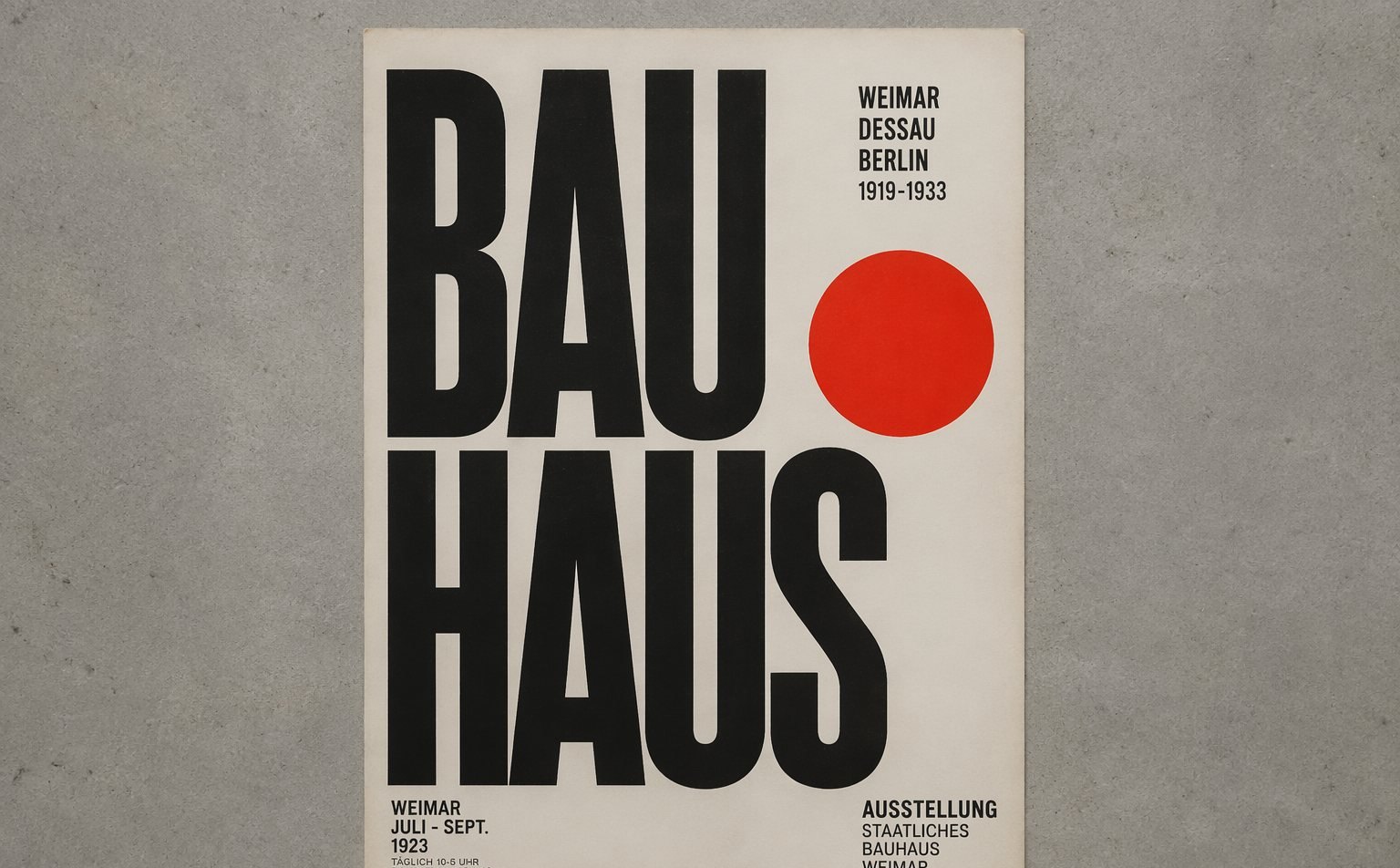
Every identity project at the studio begins the same way: two days, no computers. Just markers, tracing paper, and a wall. It sounds romantic, but the reason is brutally practical — screens make everything look finished too early. A logo roughed into Figma inherits polish it hasn't earned yet, and polish is how mediocre ideas survive.
"A sketch you can crumple is worth ten artboards you can't bear to delete."
On paper, an idea is exactly as strong as its silhouette. If the mark doesn't hold at thumbnail size in a dying marker, no amount of bezier-tuning will save it. We typically fill forty to sixty sheets before anything is scanned, and the wall review is deliberately ruthless — anything that needs a verbal explanation gets binned.
The other benefit is speed of disposal. Designers fall in love with what they've invested time in. A sketch takes ninety seconds, so killing it costs nothing. An artboard takes an afternoon, so it lingers for weeks. Paper keeps our ideas honest — and disposable enough that only the strong ones make it to the screen.
Next article
Shaders for designers: a gentle on-ramp to WebGL →